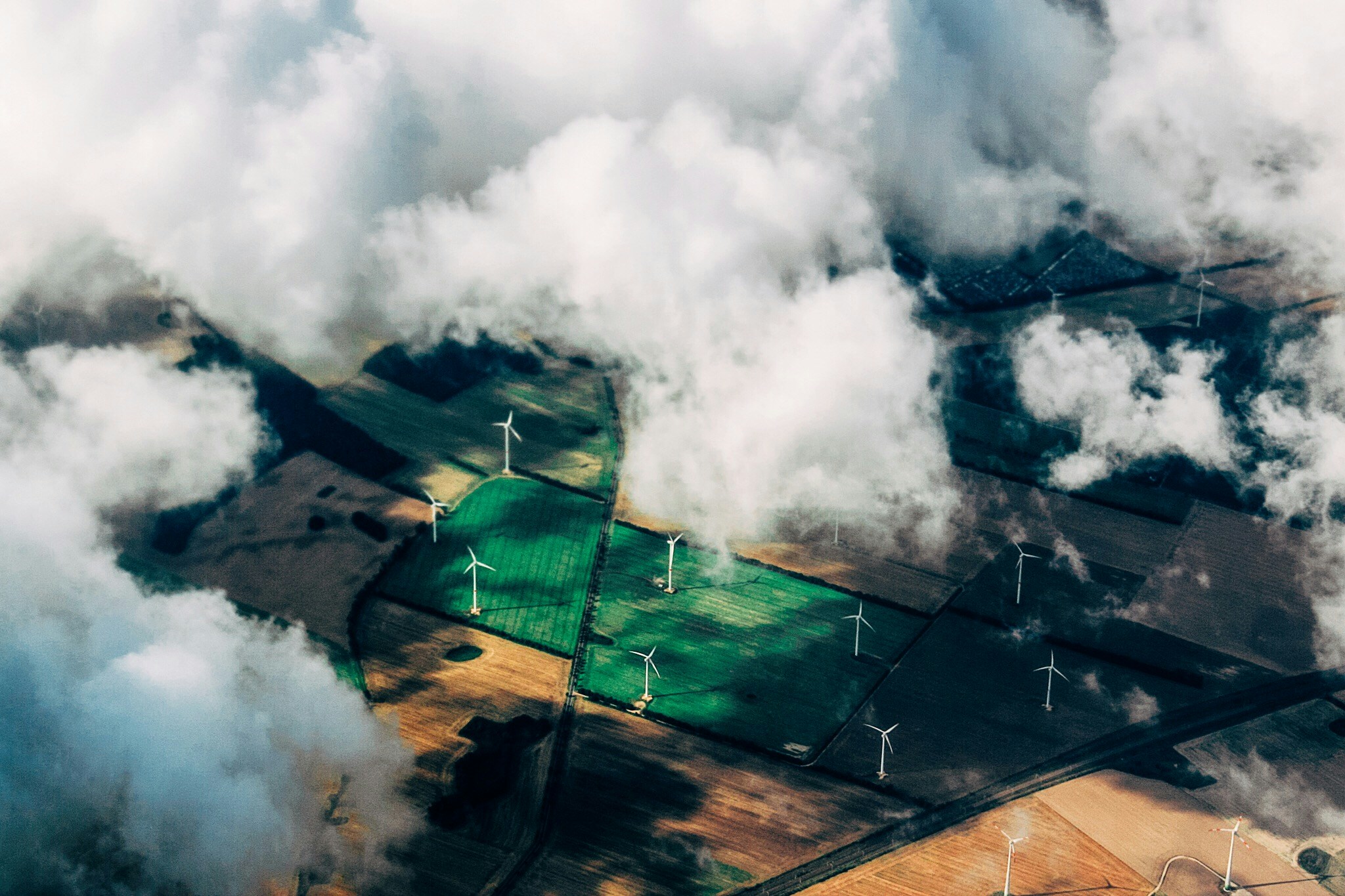
The sustainability challenge in aviation
Sustainable aviation starts in the cabin: Weight, waste and better design
Interview
Written by Bill Bentaieb | 10 Apr 2026
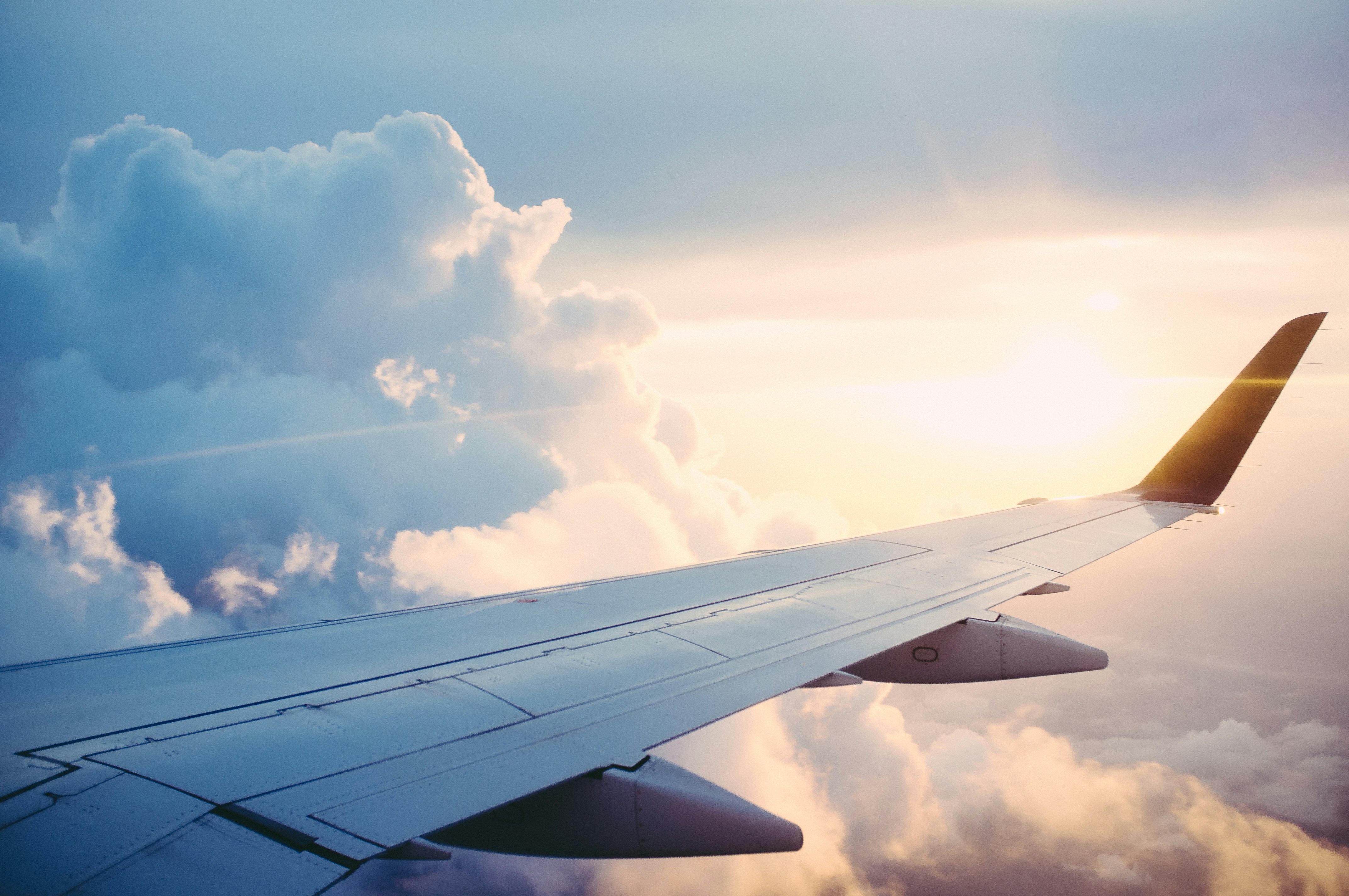
The aviation industry is under growing pressure to decarbonise, but one of the biggest opportunities sits inside the cabin.
In this interview, we speak with Cristian Sutter, Managing Director of Sutter Aviation Consulting, to explore how cabin design impacts sustainability, passenger experience and operational efficiency.
With over 20 years of experience working with global airlines and VIP completion centres, Cristian shares how design decisions, from materials to service models, can influence emissions at scale.
Key Takeaways
Cabin design is a complex ecosystem
It brings together engineering, safety compliance, passenger experience, branding and operations. Every element must meet strict regulations while remaining functional and efficient.
Weight is a critical factor
Every kilogram added to an aircraft increases fuel consumption. Reducing cabin weight is one of the most direct ways to improve efficiency, but those savings can easily be offset elsewhere.
Sustainability is an equation
Changes in one area often impact another. Weight savings, service levels and cargo capacity are all interconnected, making sustainability a system-wide challenge.
There is waste in the passenger experience
Modern flying still reflects outdated service models. With premium lounges and onboard service often duplicating each other, there is an opportunity to streamline and reduce unnecessary resource use.
Food waste is a major issue
Catering has a long carbon footprint, and uneaten meals represent a significant inefficiency. Better use of data and personalisation could dramatically reduce waste.
Materials and design are evolving
There is a shift towards simpler, more recyclable materials and smarter manufacturing processes, but true sustainability must go beyond perception and marketing.
Passenger behaviour is changing
Sustainability is becoming more important in decision-making, but price, convenience and loyalty still play a major role.
The future is sustainable by design
Sustainability should be built into the system from the start, not added as a feature. Over time, it should become standard, just like safety.
Final Thoughts
Sustainable aviation is not just about new fuels or technologies, it is also about smarter design.
By rethinking the cabin, from layout to materials to service, the industry can reduce waste, improve efficiency and deliver a better overall experience.
Sometimes, the biggest impact comes from improving what already exists.
Get in touch
If you would like to discuss this topic further, feel free to reach out to Bill Bentaieb, Project Director at b.bentaieb@wearexps.com